
“I put ketchup on my ketchup.” – Matthew McConaughey,
Oh, Ketchup!
That ubiquitous red sauce gracing everything from our humble fries to the most gourmet of burgers. But did you know this condiment has a past as rich and thick as its current form? Buckle up, dear reader, as we embark on a saucy journey through the unexpected history of ketchup.

From Fermented Fish to Tomato Bliss
Long before ketchup became the tomato-based titan of our tables, it had humbler beginnings. Originating in imperial China, the original concoction, known as “kôe-chiap” or “kê-chiap,” was a fermented fish sauce made from fish entrails, meat byproducts, and soybeans. This savory mixture was worlds apart from the sweet tomato goodness we slather on our snacks today.
The Tomato Revolution
Tomatoes didn’t enter the ketchup scene until the early 19th century. In 1812, American horticulturist James Mease penned the first known tomato ketchup recipe. He poetically referred to tomatoes as “love apples,” attributing aphrodisiac qualities to them. His recipe, however, lacked vinegar and sugar, resulting in a far cry from the ketchup we know today.
Medicinal Ketchup: The 19th-Century Cure-All
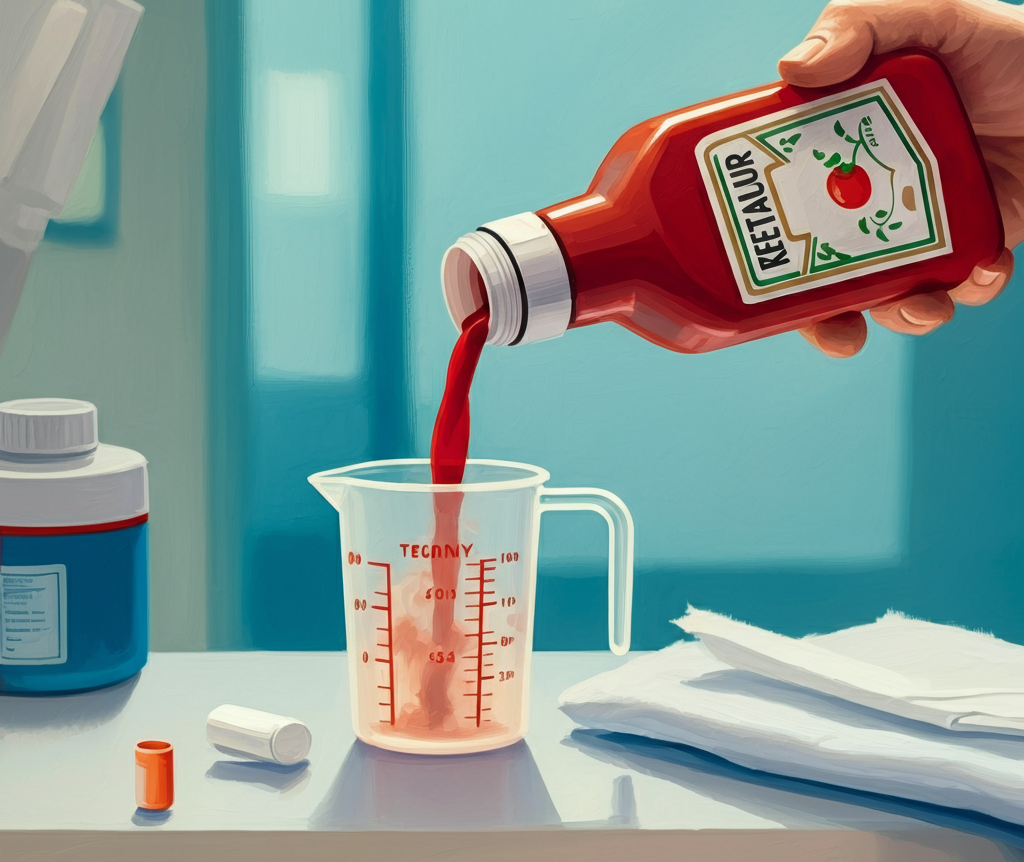
Hold onto your fries, folks, because in the 1830s, ketchup wasn’t just a condiment—it was medicine. Dr. John Cook Bennett, an Ohio physician, proclaimed that tomato ketchup could cure ailments like diarrhea, indigestion, and jaundice.
He even went as far as to market it in pill form. This ketchup health craze, however, fizzled out by the 1850s, leaving us to wonder about the gullibility of our ancestors.
Heinz: The Ketchup King
The ketchup game changed forever in 1876 when Henry J. Heinz introduced his version to the market. By increasing the amounts of sugar and vinegar, Heinz created a ketchup that was both flavourful and had a longer shelf life. This innovation not only improved the taste but also ensured the condiment’s place in pantries across America.
Modern Ketchup: A Symphony of Flavours
Today’s ketchup is a harmonious blend of sweet, sour, salty, bitter, and umami flavors. This balance is achieved through the use of ripe tomatoes (rich in umami), vinegar (providing acidity), sugar (for sweetness), and a mix of spices. This flavor profile has cemented ketchup’s status as a beloved condiment worldwide.
But as much as we adore this condiment, ketchup has faced its fair share of health controversies in the modern era.

Ultra-Processed Concerns
Today’s ketchup is a harmonious blend of sweet, sour, salty, bitter, and umami flavors. This balance is achieved through the use of ripe tomatoes (rich in umami), vinegar (providing acidity), sugar (for sweetness), and a mix of spices. This flavor profile has cemented ketchup’s status as a beloved condiment worldwide.
| Sugar Overload | Hidden Sodium | The War on High Fructose Corn Syrup |
| sugar overload With high fructose corn syrup (HFCS) as a key ingredient in many commercial brands, ketchup can be surprisingly high in sugar. A single tablespoon of ketchup can contain up to 4 grams of sugar—that’s more sugar than a typical chocolate chip cookie! | Many people don’t realize how much sodium lurks in ketchup. A few generous squirts, and you’re consuming over 10% of your daily sodium intake without even realizing it. | In recent years, brands have started rolling out “natural” and “organic” ketchup varieties that remove HFCS, responding to health-conscious consumers who want their condiments without the sugar crash. |
Conclusion: Should We Panic Over Ketchup?
Not at all! Like all good things, moderation is key. Ketchup may no longer be considered a miracle cure for indigestion, but it is a miracle worker for bland food. Whether you go full Heinz, opt for an organic version, or even whip up a homemade batch, ketchup remains one of the most beloved condiments in culinary history.
So, the next time you dip a fry into that red puddle of joy, take a moment to appreciate its wild and quirky history. Just maybe don’t treat it like medicine.
For a visual dive into ketchup’s storied past, check out this informative video: One of the World’s Oldest Condiments – Dan Kwartler
And if you really want to go down the ketchup rabbit hole, here’s a simple recipe to start making your own: Homemade Ketchup Recipe
Now, if you’ll excuse me, I have a bottle of ketchup and some fries to attend to. 🍟🍅
 BACK WHEN WE