“Knowledge is power. Information is liberating. Education is the premise of progress.” – Kofi Annan
THE ETERNAL TABOO…
The giggle-inducer, and, dare I say, the ultimate dreaded “birds and bees” conversation, sex education has always been a necessity yet an awkward endeavor few have dared to take on. How did we get from the caveman’s grunt-and-point system to modern classrooms awkwardly presenting banana demonstrations? Grab your metaphorical popcorn as we’re about to dive into the tantalizing, jaw-dropping history of sex education, cruising from BC to around the world.
Stone Age Smarts: Cave Drawings and Grunts

Imagine the Stone Age, our ancestors huddled in caves, hunting mammoths and painting stick figures on walls. Did those prehistoric sketches double as early erotica? Possibly.
Research from archaeological digs in France and Spain suggests that cave paintings, such as those at Chauvet-Pont-d’Arc, included depictions of human anatomy and fertility symbols (Cambridge University Press). These images likely functioned as early attempts to understand reproduction and celebrate fertility.
Classical Clues
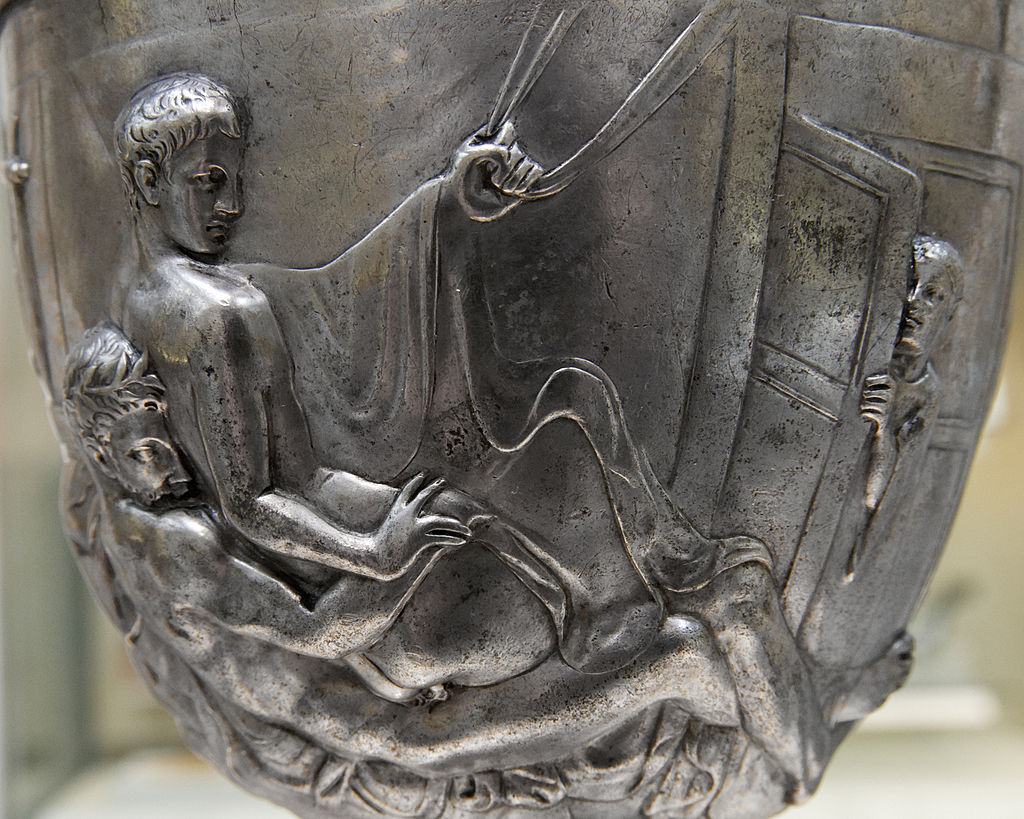
Fast forward to ancient Rome, where sensual imagery adorned vases, mosaics, and murals. These weren’t just art pieces; they were cultural expressions of openness towards human sexuality. The “Lupanare” in Pompeii—an ancient brothel—featured frescoes explicitly depicting sexual acts, which may have served as a menu of sorts for patrons.
Meanwhile, in India, the Kama Sutra emerged as the definitive guide to intimacy. Contrary to its Western reputation as a mere sex manual, the Kama Sutra explored the emotional, social, and spiritual dimensions of relationships. It even included instructions on mutual consent and respect, which remain relevant today.
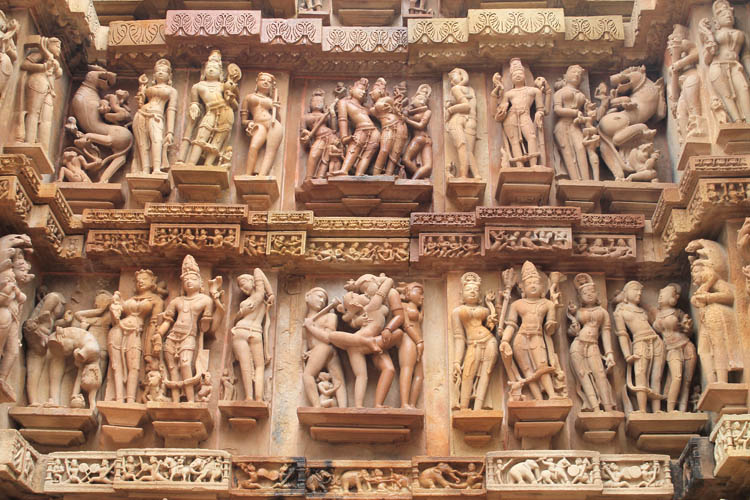
The Khajuraho temples, erected around 950-1050 AD, in India are famously known to be adorned with erotic sculptures (also a UNESCO World Heritage Site), symbolizing the acceptance of sexual desires as a natural part of humans within the Hindu culture.
Makes you wonder if the ancients did it better than us, and if so, why and when did we become such prudes rather than accepting individuals.
In ancient China, sex education was closely tied to Taoist beliefs. Texts like the “Handbooks of Sex” emphasized the importance of sexual health for longevity and spiritual harmony. Sexual practices were documented with precision, often discussing techniques believed to enhance vitality (Harvard University Press).
Similarly, in Japan, Shunga art—woodblock prints with erotic themes—offered a visually explicit form of education, teaching intimacy and pleasure through artistic expression.

Baby Myths: From Cabbage Patches to Storks
Fast forward a bit, for centuries, humanity dodged the big talk with a parade of colorful lies. In medieval Europe, babies were said to arrive via storks, a myth perpetuated in folk tales and religious parables. These stories served as placeholders in societies where discussing sex was taboo (Live Science). Meanwhile, in Asia, folklore often incorporated deities—like the Japanese fertility god Ebisu—to explain childbirth, blending spirituality with myth (Asian Folklore Studies).
Victorian Prudishness: Hysteria and Horror

Ah, the Victorians: pioneers of prudishness. Women were often left clueless about sex until their wedding night, often leading to confusion, anxiety, and, in some cases, trauma. Diaries from the era reveal accounts of brides horrified by their first sexual experience, having been taught to view sex as shameful or sinful.
This lack of education also fed into the hysteria diagnosis, where women exhibiting normal sexual desires were labeled as mentally ill. The double standards were glaring. Men frequented brothels while women were expected to remain chaste and ignorant, talk about gender equality. Meanwhile, guides like Dr. William Acton’s medical texts perpetuated myths about women being naturally disinterested in sex, further entrenching gender inequities.
The 20th Century Awakening: From Pamphlets to Playboys
In the early 20th century, pioneers like Margaret Sanger began to change the narrative, advocating for contraception and women’s reproductive rights. By the mid-century, sex education found its way into schools, albeit in sanitized forms focusing on abstinence and reproduction rather than pleasure or consent (Planned Parenthood).

In Asia, the post-war era brought significant changes. Japan’s Ministry of Education introduced sex education into schools to curb population growth, while countries like India relied on NGOs to promote family planning. However, cultural taboos often limited the depth and effectiveness of these programs (UNFPA).
The Modern Era: From Banana Peels to TikTok Reels
In modern Asia, approaches to sex education vary widely. Progressive countries like Japan and South Korea include comprehensive topics such as consent and contraception in their curricula, while more conservative nations still struggle with open discussions due to cultural taboos (UNESCO).
Today, sex education is (mostly) less awkward, but disparities persist. In progressive nations, curricula include topics like consent, LGBTQ+ relationships, and digital safety. However, in many Asian countries, sex education remains controversial, often excluded from schools due to cultural and religious opposition.
Online platforms like TikTok and YouTube have emerged as alternative sources, albeit with mixed reliability.
Let’s Keep It Real
Sex education has evolved dramatically—from fertility symbols on cave walls to instagram reels explaining consent. Yet, the journey is far from over. In many parts of the world, stigmas and misinformation still hinder progress. The challenge now is to strike a balance: embracing cultural values while ensuring that everyone has access to accurate, comprehensive sex education.
Because, let’s face it, whether you’re learning from the Kama Sutra scroll or a sassy TikTok influencer, the conversation matters. So here’s to keeping it real—and maybe even a little cheeky.
Let’s talk, learn, and grow—because sex education is power. 💬📚💪
 BACK WHEN WE