“In every spoonful, there’s a longing—spiced with memory, folded into tradition, and served with a side of survival.”
The Delicious Displacement
Let’s get one thing straight: food never stays home. It packs its bags, hops on boats, clings to migrants’ dreams, and reinvents itself in faraway lands, seasoning itself with new influences while still whispering stories of “back when we were home.”
Roti Prata: The Great Flaky Identity Crisis
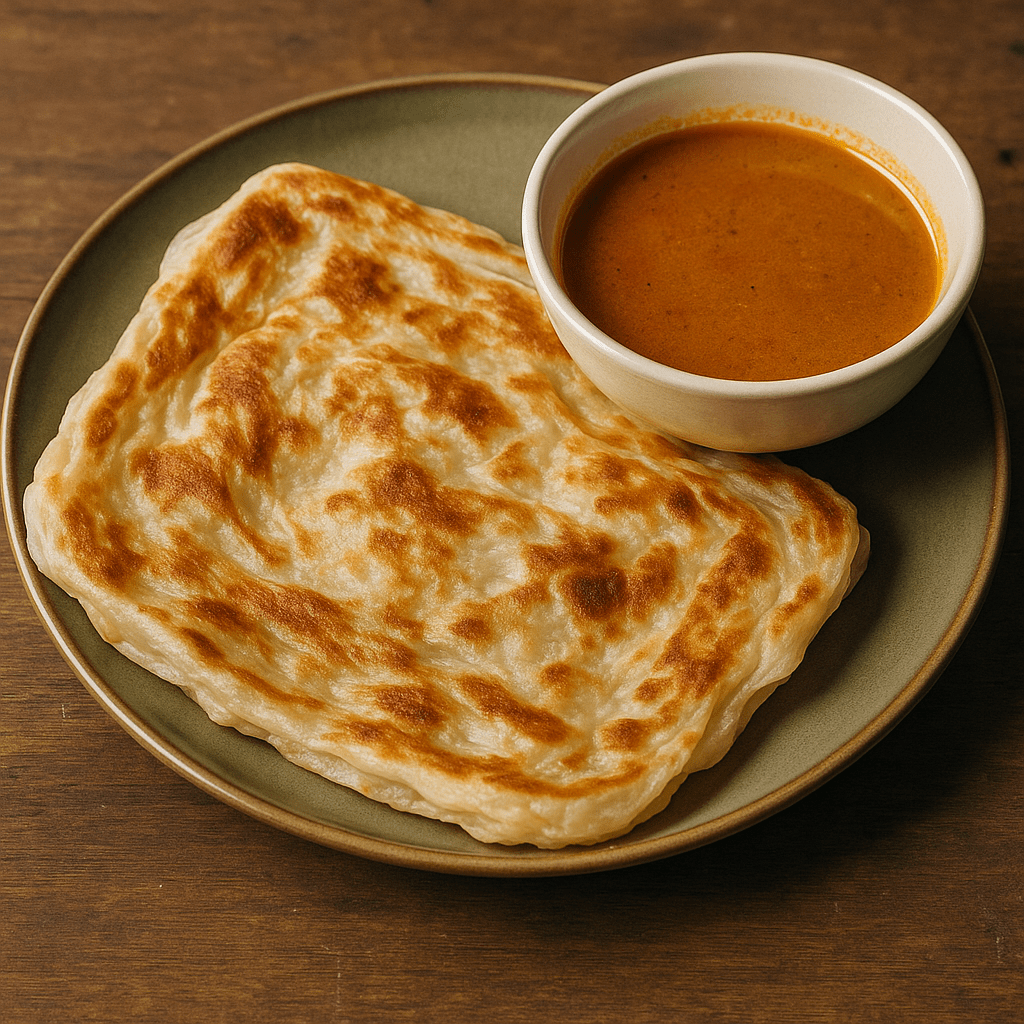
Originating with South Indian immigrants (mainly Tamils) who moved to Southeast Asia during British colonial rule, roti prata is the Singaporean/Malaysian cousin of India’s paratha. But while paratha stayed soft, humble, and ghee-drenched, prata got crispy, acrobatic, and showy—flipped mid-air like a culinary Cirque du Soleil.
In India, you’d eat it with potato curry or yogurt. In Singapore? With fish curry, sugar, or—brace yourself—Milo dinosaur and cheese hotdog. Diaspora food thrives by bending the rules and saying, “Yes, and…”
Hainanese Chicken Rice: A Chicken That Crossed the Sea
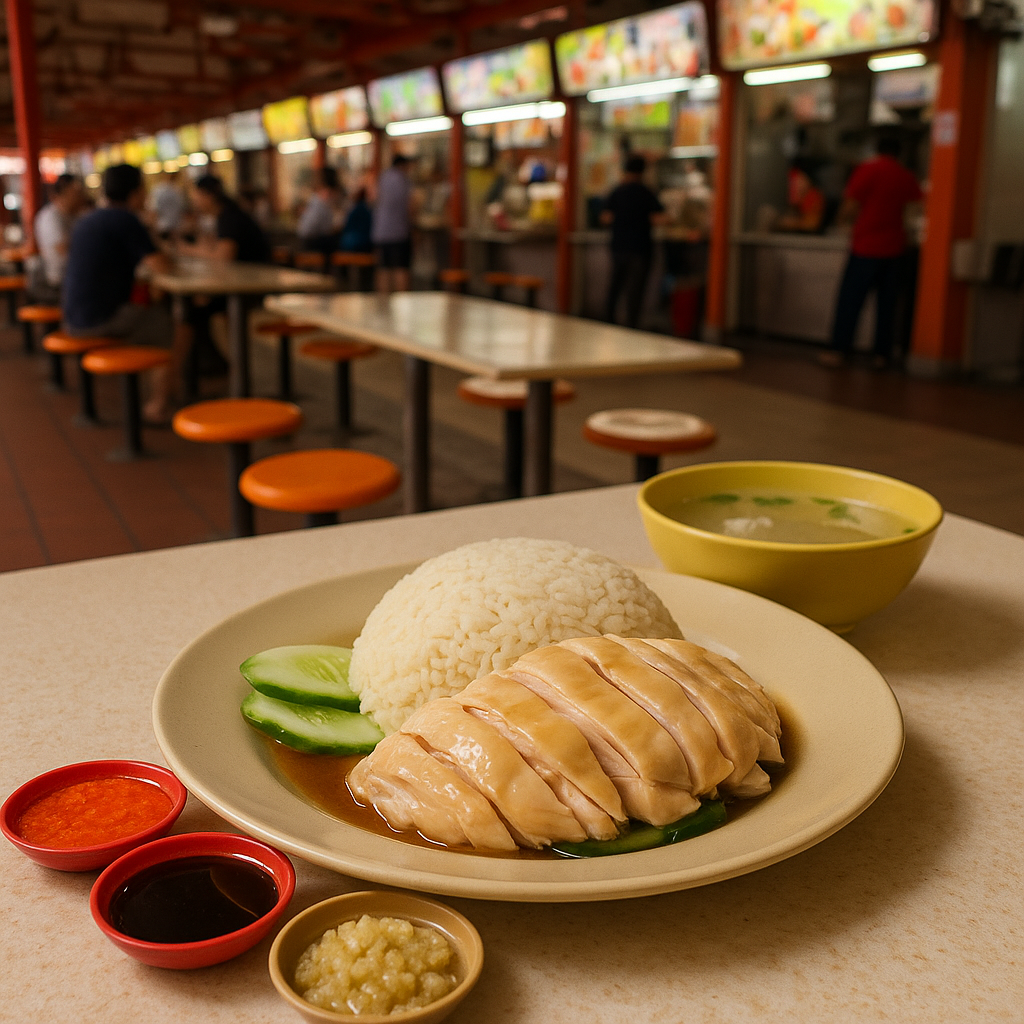
This dish may sound like it came from Hainan, China, but it became a star in Singapore. Chinese immigrants from Hainan brought over Wenchang chicken, but the lean, bony birds didn’t cut it in Southeast Asia. So, they adapted—using plumper local chickens, fragrant pandan rice, and chili-garlic magic that no Hainan grandma ever imagined.
The result? A national obsession. In fact, chicken rice was even launched into space in 2022 (yes, really). Because diaspora food doesn’t just travel—it takes off.
American-Italian Cuisine: Mama Mia, What Have We Done?

When millions of Italians sailed into Ellis Island in the late 19th and early 20th centuries, they brought their cucina povera—rustic, regional dishes made with seasonal ingredients. But once they got a taste of America’s bountiful meat and cheese, it was “arrivederci” to subtlety.
Cue the rise of spaghetti and meatballs, chicken parmigiana, and lasagna so deep you could swim in it. These weren’t things you’d ever find in nonna’s kitchen back in Naples. But they were crowd-pleasers—and soon, red-sauce joints became synonymous with “Italian food” in the U.S., much to actual Italians’ horror (and eventually pride).
African-Indian Cuisine: Spice Routes, Slave Routes, and Sambusas
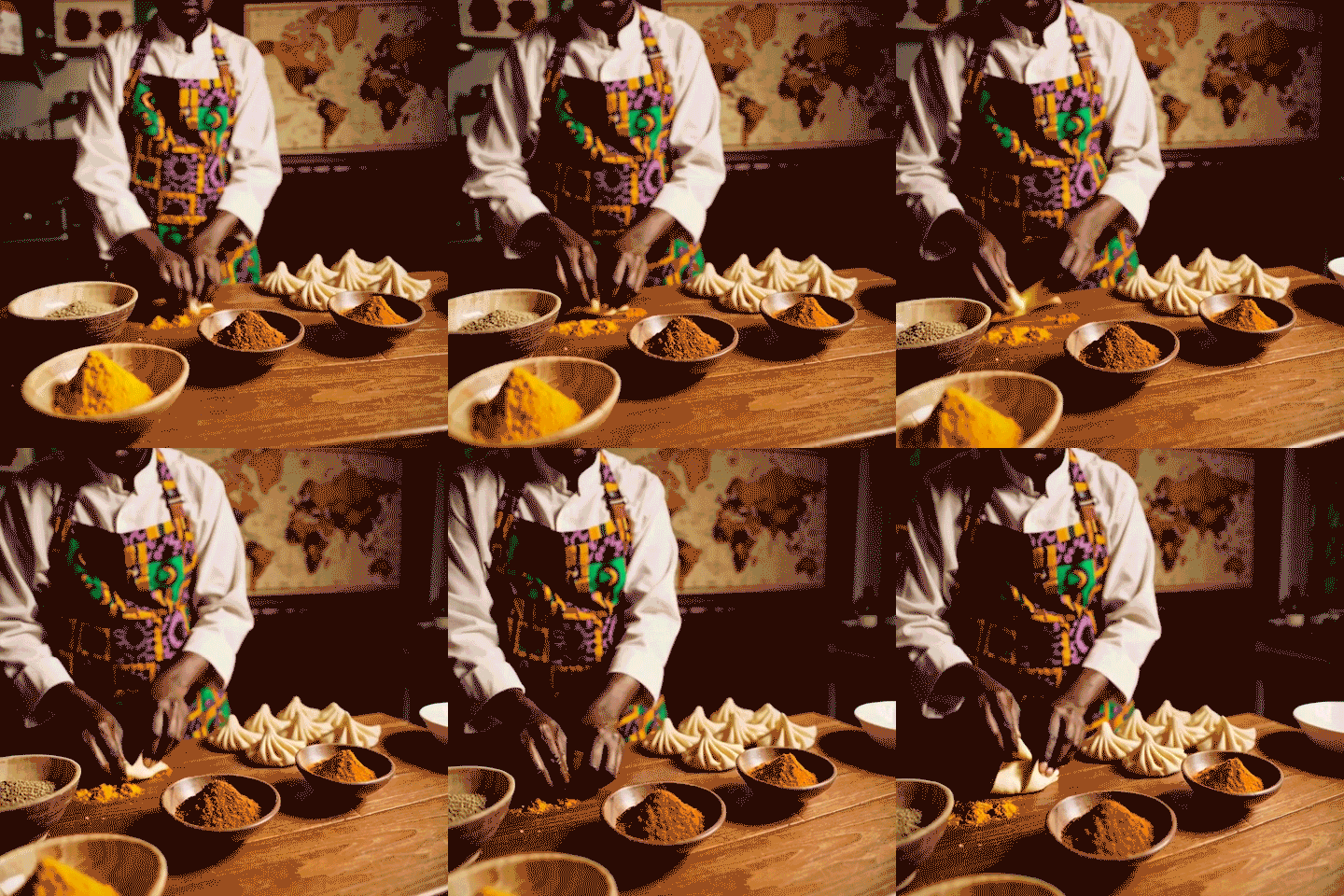
Now let’s talk about a less Instagrammed but wildly flavorful gem: African-Indian cuisine, especially from the coastal regions of Kenya, Tanzania, and Uganda. Here, indentured Indian laborers—mostly Gujaratis and Goans—blended their cumin, coriander, and chapati with East African coconut stews, maize, and local game.
The result? Chapatis eaten with sukuma wiki (collard greens), samosas with beef (taboo back in Gujarat), and Swahili biryani so legendary it has entire wedding menus built around it.
This cuisine is about resilience—rooted in colonial displacement and reimagined in shared kitchens.
More Globetrotting Bites from the Diaspora Menu:
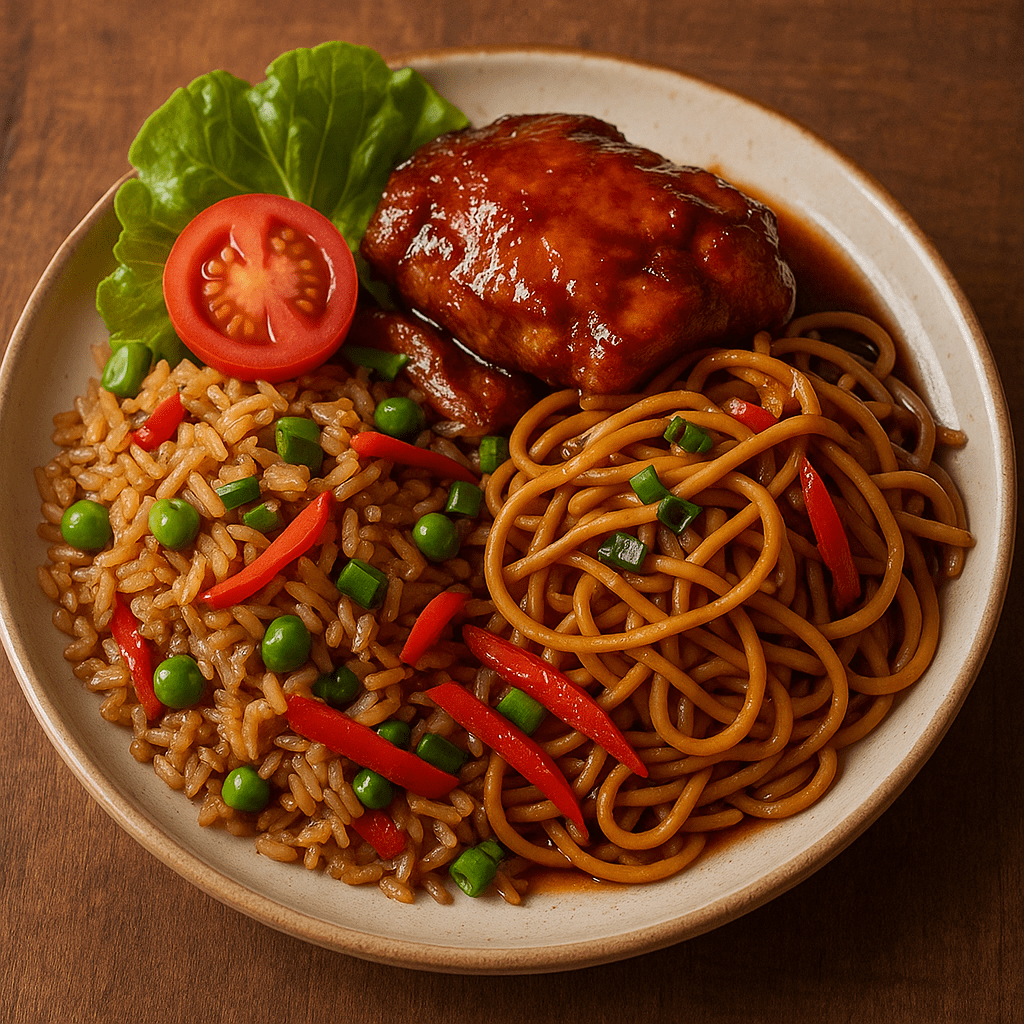


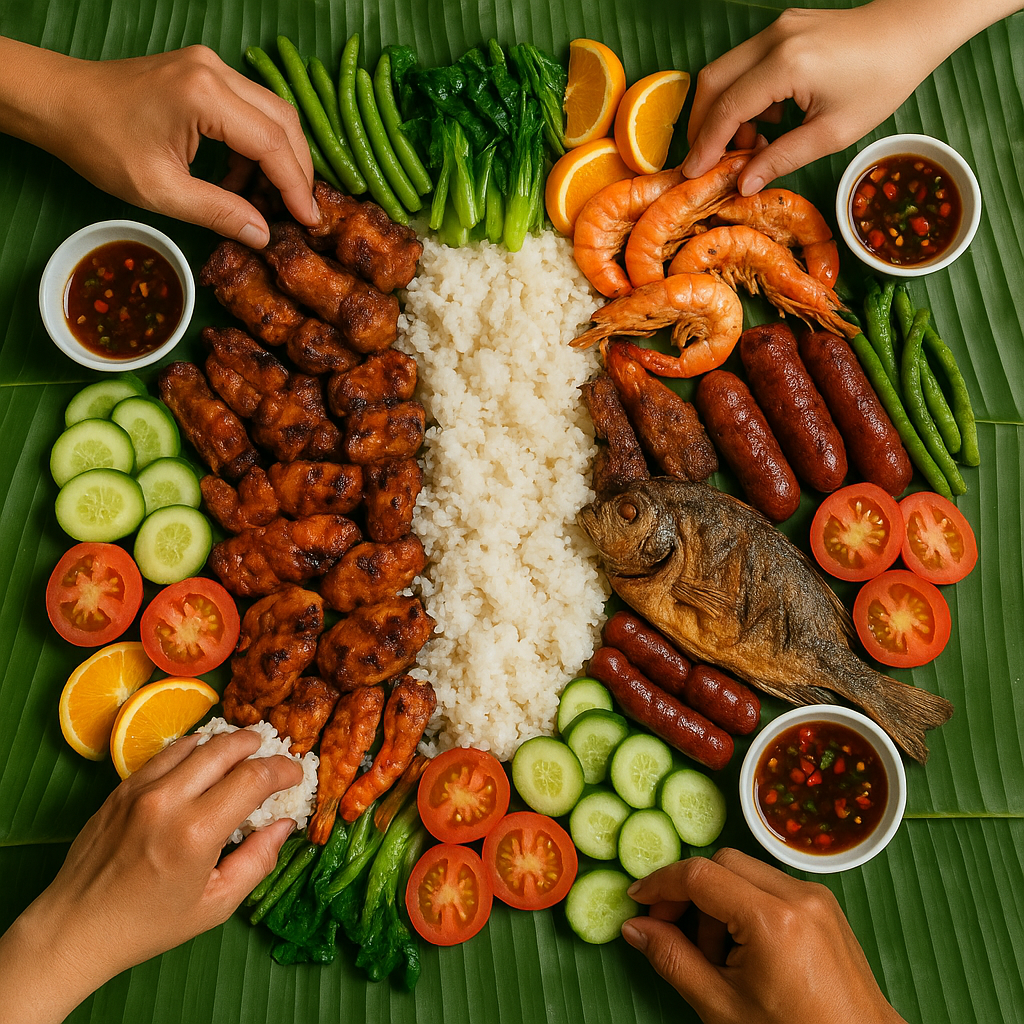
Why Diaspora Food Matters (Besides Being Freaking Delicious)
Diaspora food isn’t just about what’s on the plate. It’s about identity, survival, invention, and delicious defiance. It’s the taste of “we’re still here,” flavored by memory, adapted by necessity, and passed down with love—and a bit of chili.
So next time you’re tearing into a prata dipped in curry, slurping chicken rice chili, or spooning up spaghetti with meatballs the size of your fist, remember: you’re not just eating food. You’re eating history with a side of sass.
And remember, behind every bite of diaspora food is a passport that got stamped, a grandma who improvised, and a colonizer who (probably) got indigestion. 🍽️✈️
References
- Tan, Bonny. “Origins of Roti Prata.” National Library Board, Singapore.
- “How Hainanese Chicken Rice Became Singapore’s Pride.” The Straits Times, 2022.
- Ray, Krishnendu. The Ethnic Restaurateur. Bloomsbury, 2016.
- Cinotto, Simone. The Italian American Table. University of Illinois Press, 2013.
- Collingham, Lizzie. Curry: A Tale of Cooks and Conquerors. Oxford University Press, 2006.
- “The Story of Indian Food in East Africa.” African Arguments, 2020.
 BACK WHEN WE