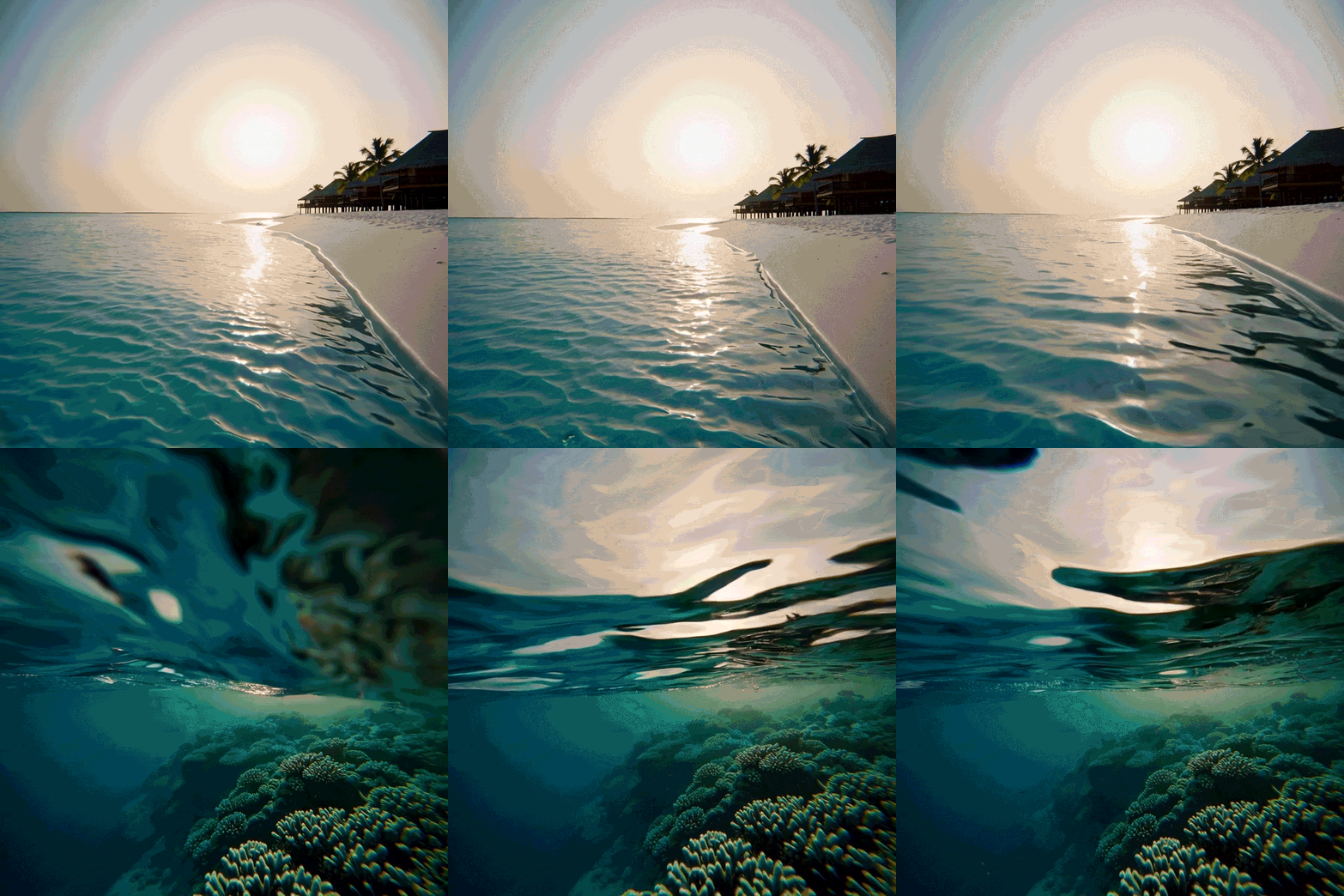
“In the Maldives, the ocean is your mirror, the sky your ceiling, and time… just something you forget.”
– Unknown
Back When We… Built Paradise on Coral
Picture this: over a thousand tiny islands scattered like pearls across the Indian Ocean, sitting just south of India and Sri Lanka. Together, they form the Maldives — a country so flat its highest natural point is just 2.4 meters above sea level (yes, your toddler might be taller).
But before it became synonymous with barefoot luxury and influencer retreats, it was a string of quiet atolls, shaped by centuries of trade, religion, and resilience.
It’s also now a country at the frontlines of climate change — and its fate, in many ways, is a warning to us all.
Ancient Sands: Early Life in the Maldives

The earliest settlers of the Maldives arrived over 2,500 years ago, likely seafarers from southern India and Sri Lanka. For centuries, the islands were dotted with small communities living off coconut palms, fishing, and sea trade.
The culture was shaped as much by geography as by the Indian Ocean’s trade winds — which carried travelers, ideas, and religions across the archipelago.
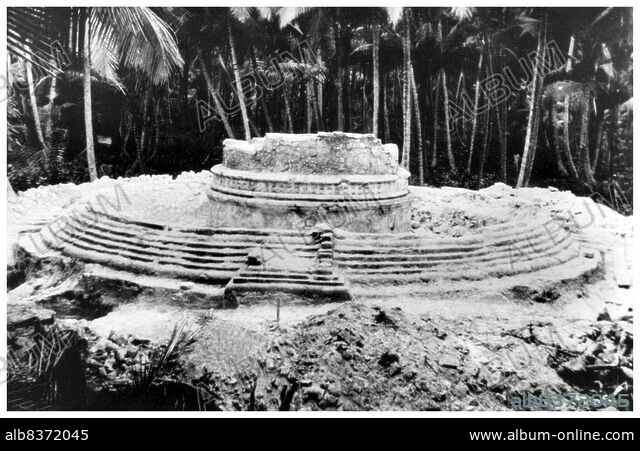
Before Islam, Buddhism was the dominant faith for nearly 1,500 years. Many of the islands held Buddhist stupas and monasteries, built from coral stone and wood — though today, few visible remains survive (many pre-Islamic pieces in the National Museum of Maldives were destroyed in 2012 by vandals in a time of religious extremism). In fact, some archaeological findings suggest a rich history of craftsmanship, seafaring, and ceremonial life long before modernity arrived.
Clothing was simple — dictated by the climate. Early Maldivians lived with minimal fabric, particularly on remote islands where clothing was more practical than ornamental. It shocked more than one foreign visitor, including famed Moroccan traveler Ibn Battuta, who arrived in the 14th century and found women bare-chested, modesty shaped more by custom than cloth. He tried to introduce stricter dress codes — the locals politely ignored him.
The Shift to Islam: A Turning Tide
In 1153 CE, the Maldives underwent a major transformation when Islam was introduced — reportedly by a North African traveler named Abu al-Barakat Yusuf al-Barbari.
The reigning Buddhist king converted and became the first Muslim sultan, beginning a lineage that would last until the 20th century.
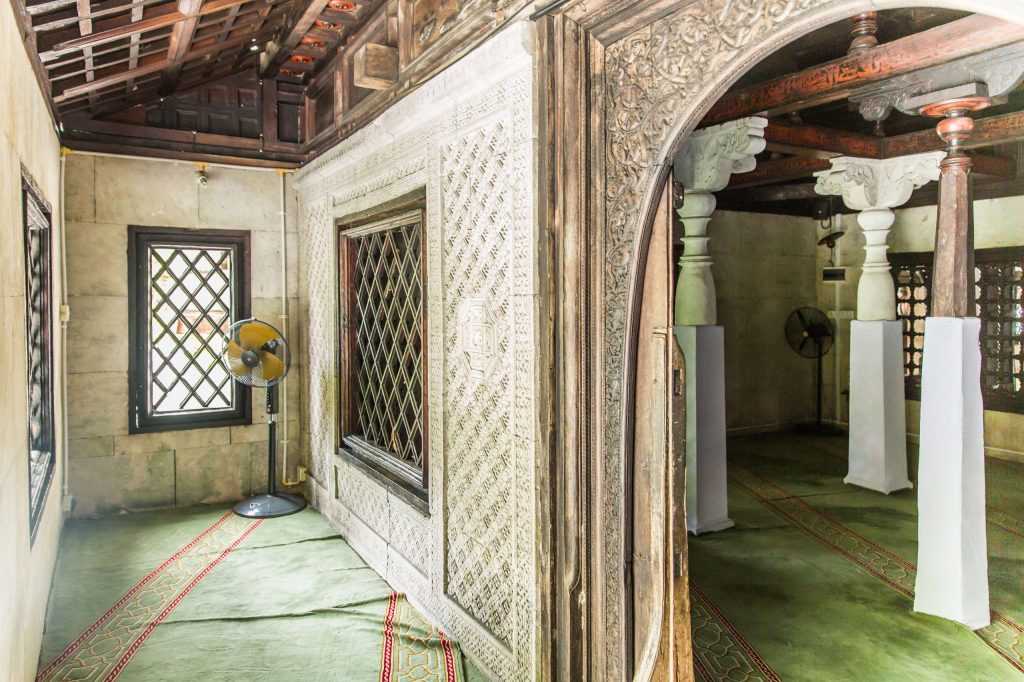
Islam brought changes to dress, governance, and architecture — coral mosques replaced stupas, Arabic script was adopted, and Islamic law became the basis of governance. Yet, much of the pre-Islamic cultural DNA remained embedded in language (Dhivehi, with roots in Sanskrit), food (think coconut-heavy curries and spicy tuna), and rituals.
Colonial Shadows and the Road to Independence
Despite its relative isolation, the Maldives didn’t escape colonial entanglements. The Portuguese briefly occupied the capital, Malé, in the 16th century — until they were expelled by a local hero, Muhammad Thakurufaanu, now celebrated as a national icon.
Later, the islands became a British protectorate in 1887 — not quite colonized, but under British “guidance” until independence in 1965. After that, the Maldives operated as a monarchy for three years before declaring itself a republic in 1968.
Tourism, Transformation, and the Boom Years
Up until the 1970s, the Maldives was a modest economy based mostly on fishing, particularly tuna. Then came a moment that changed everything: the launch of Kurumba, the country’s first tourist resort, in 1972.
From there, the transformation was rapid. Today:
- The Maldives is home to over 160 resort islands, with prices ranging from a few hundred to several thousand dollars per night.
- Over 1.6 million tourists visit annually (2023 figure).
- Tourism accounts for 28% of GDP directly and over 60% when including ancillary industries.

Some of these islands are man-made, like Hulhumalé, an artificial island developed to ease congestion in Malé and to offer refuge from sea-level rise. Others have been expanded or modified — a mix of necessity and luxury development.
Political Turbulence Beneath the Calm
The Maldives’ political history in the 21st century has been far less idyllic than its beaches suggest. After decades under President Maumoon Abdul Gayoom, the country took its first steps toward democracy in 2008. But stability proved elusive:
- Mohamed Nasheed, the Maldives’ first democratically elected president and a vocal climate advocate, was controversially ousted in 2012.
- His successors have faced accusations of corruption, authoritarianism, and playing geopolitical tug-of-war between India and China.
- Freedom of speech, press, and judicial independence have all come under scrutiny over the last decade.
Despite this, the economy has shown resilience — but it’s vulnerable. Tourism is deeply tied to perceptions of safety, stability, and access. Political instability, especially around elections, tends to cause momentary dips in visitor numbers and investor confidence.
Climate Change: The Rising Tide That Won’t Go Away 🌊
Perhaps more than any other country on Earth, the Maldives is existentially threatened by climate change. With an average elevation of just 1.5 meters above sea level, even a modest rise in ocean levels could submerge entire islands.
Some key concerns:
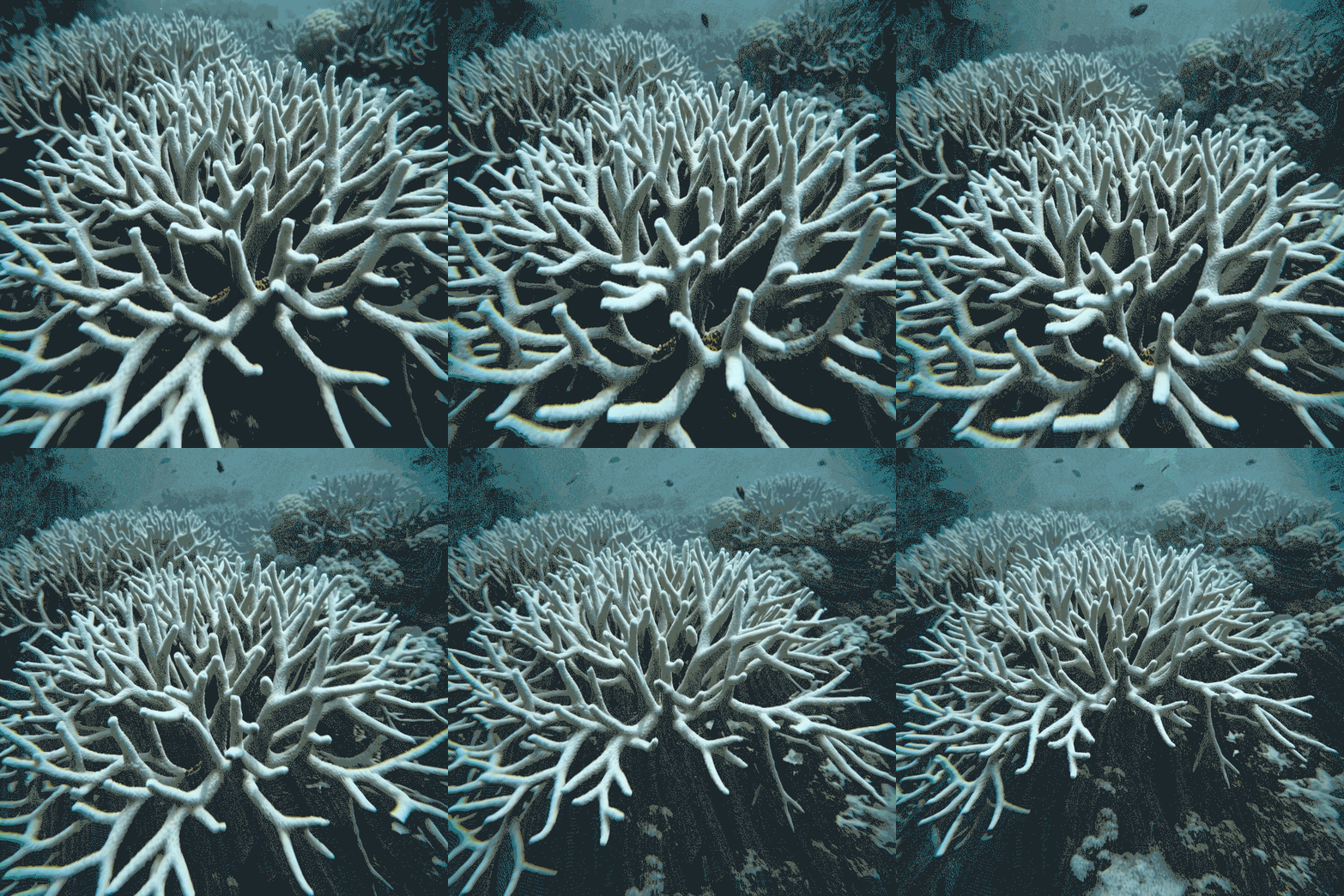
- Coral bleaching events have devastated reef ecosystems, which are vital for both biodiversity and tourism.
- Erosion and saltwater intrusion are affecting freshwater sources and agriculture.
- The government has warned that the Maldives could become uninhabitable by 2100 if current trends continue.
There’s been no shortage of symbolic gestures — like President Nasheed’s famous 2009 underwater cabinet meeting to draw attention to global warming — but real solutions require international coordination, massive funding, and long-term vision.
The country is betting big on sustainability projects, man-made island expansion, and climate diplomacy, but the clock is ticking.
What Lies Ahead?
The Maldives today walks a delicate line. It is a cultural tapestry of ancient trade routes and Islamic tradition, a luxury destination that depends on fossil-fuel-heavy tourism, and a nation planning for the future while its foundations — quite literally — erode.
And yet, its people remain resilient. The same ocean that threatens their shores also defines their identity. From coral-carved mosques to solar-powered resorts, from ancient fishermen to underwater environmentalists — the Maldives is a place where the past, present, and future meet on a sandbank in the middle of the sea.
🌊 Back when we were mapping coastlines, the Maldives was already living on the edge — and teaching the world how to float.
References
- Maldives Ministry of Tourism Annual Report, 2023
- World Bank Economic Update: Maldives, 2023
- United Nations Framework Convention on Climate Change (UNFCCC), Maldives Report
- “Travels of Ibn Battuta,” translated by H.A.R. Gibb
- Housing Development Corporation – Hulhumalé Development Overview
- Al Jazeera – Maldives Political Crisis, 2022
 BACK WHEN WE